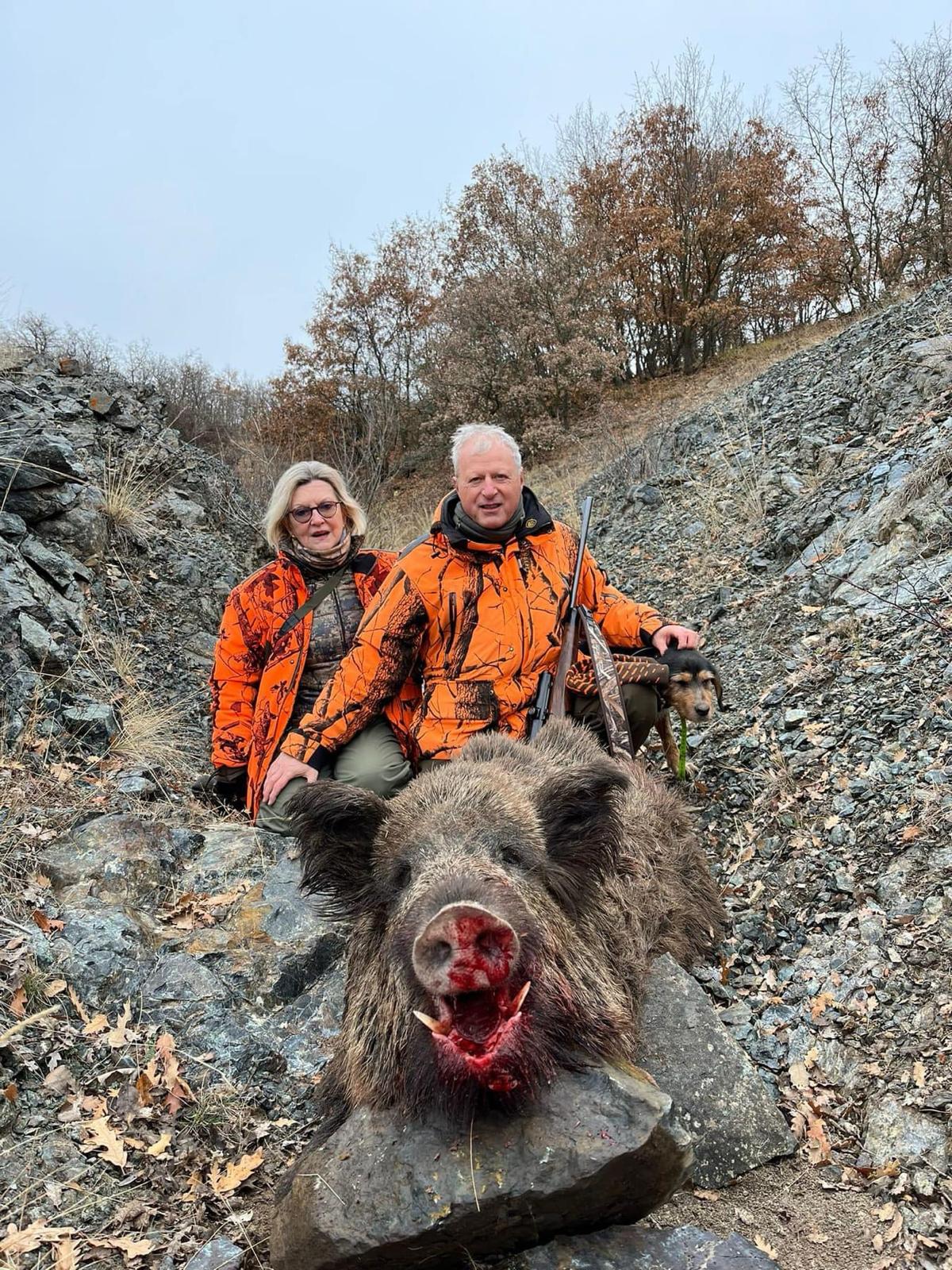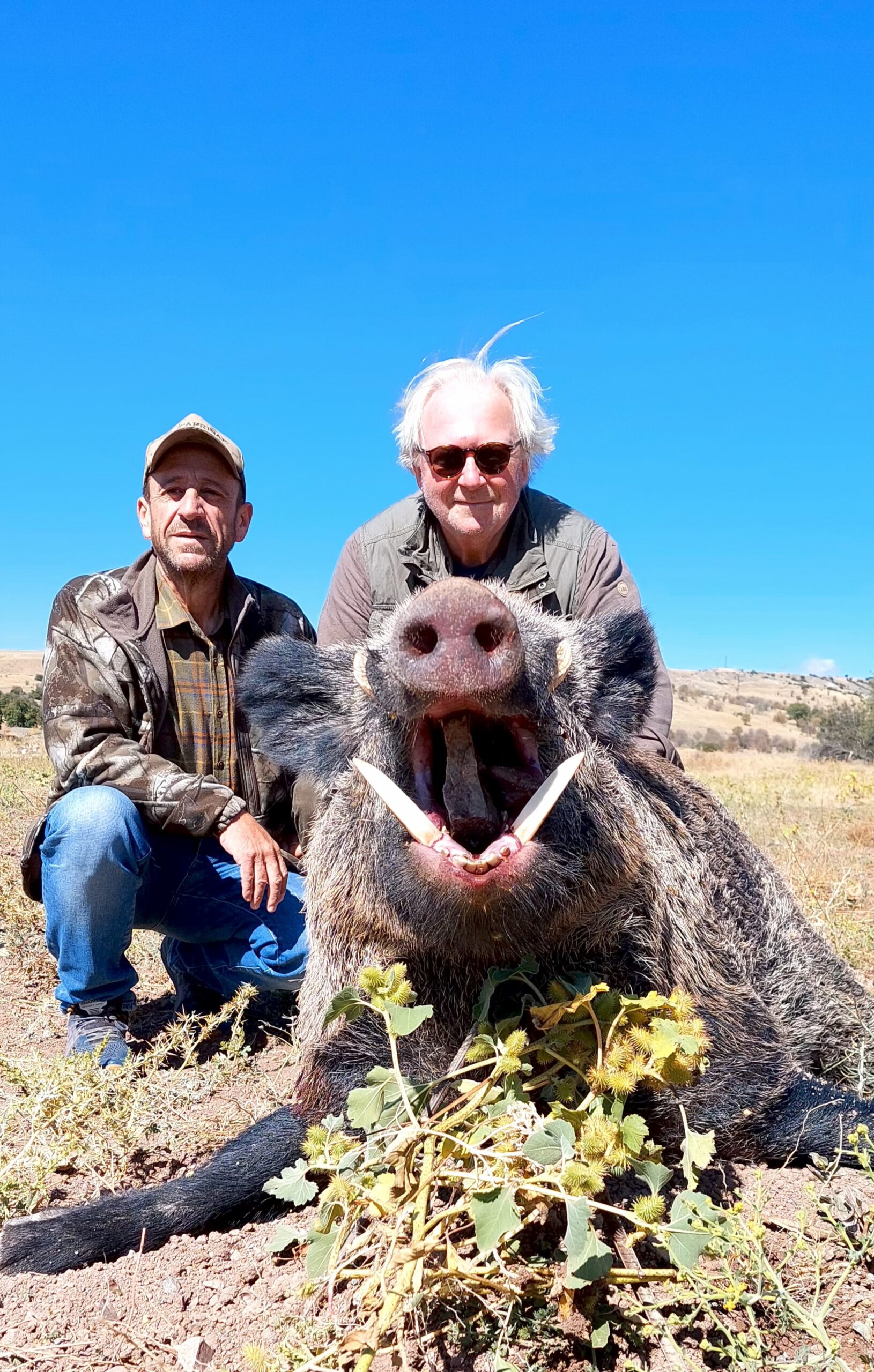
Wild Boar
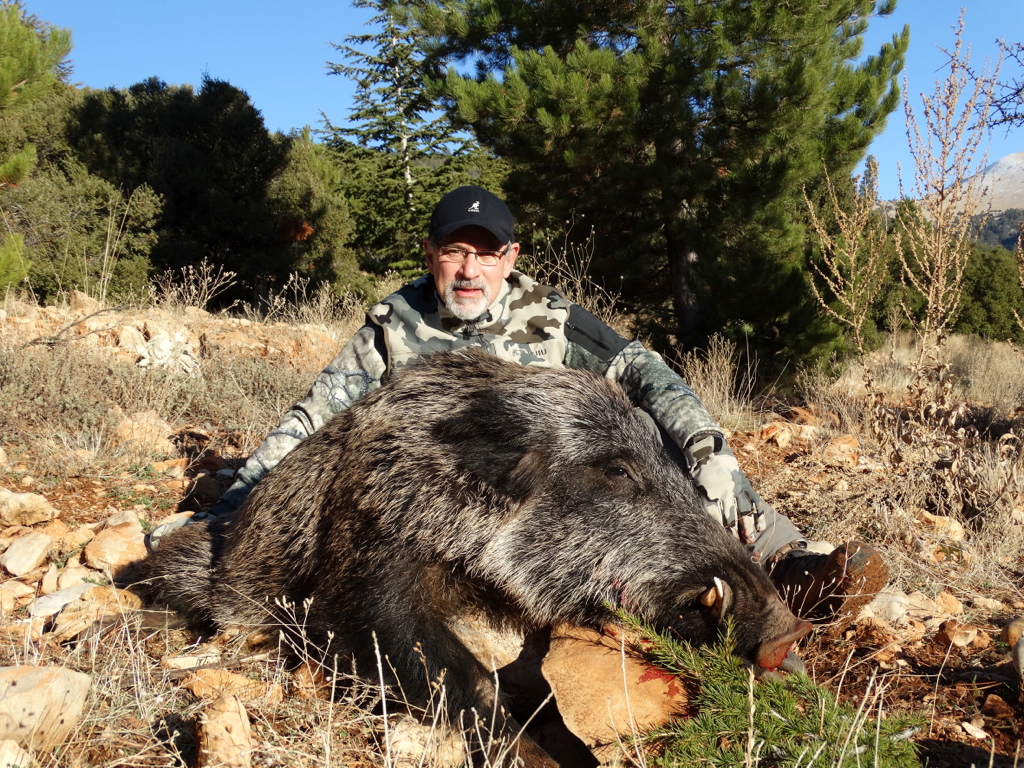
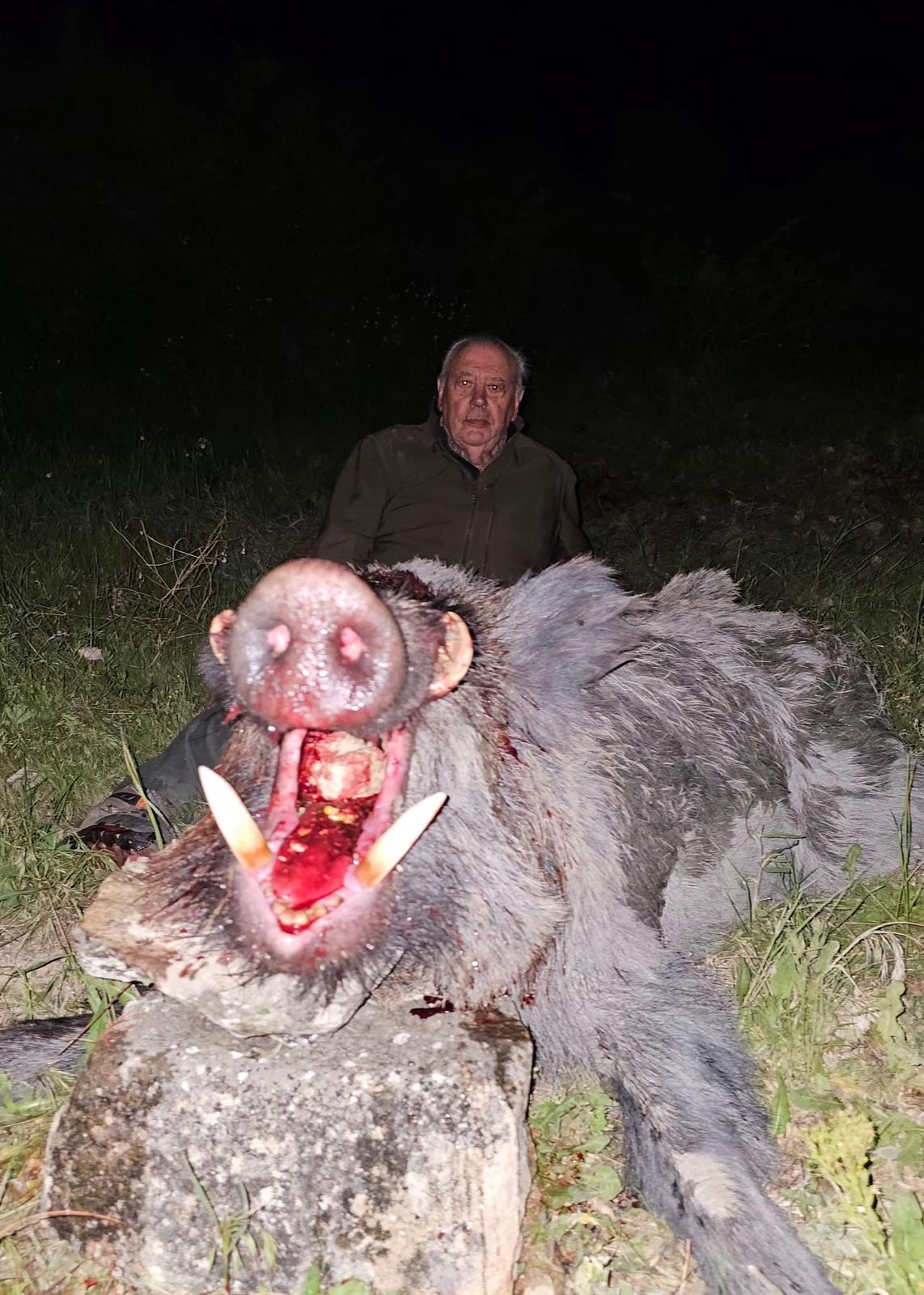
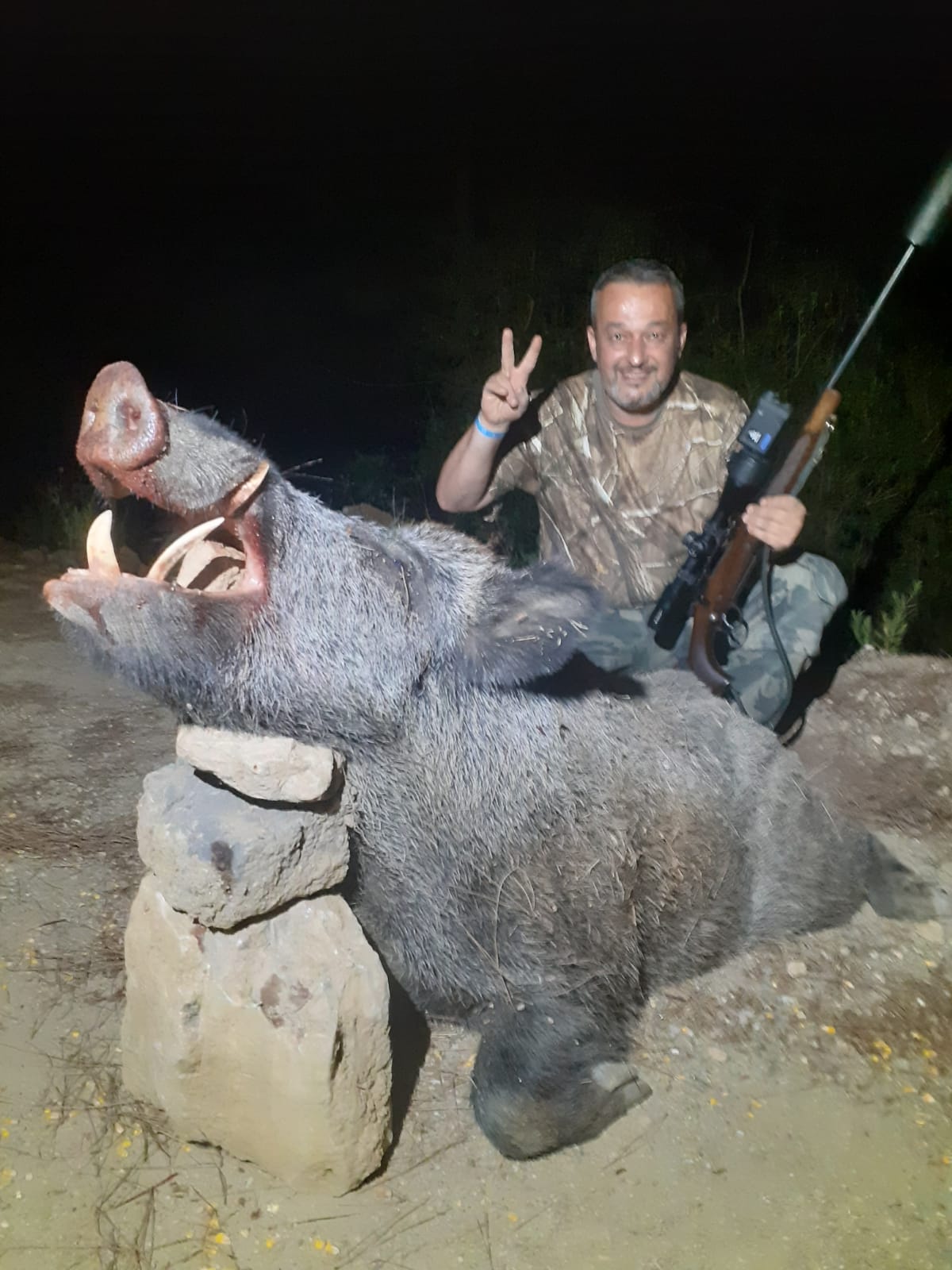
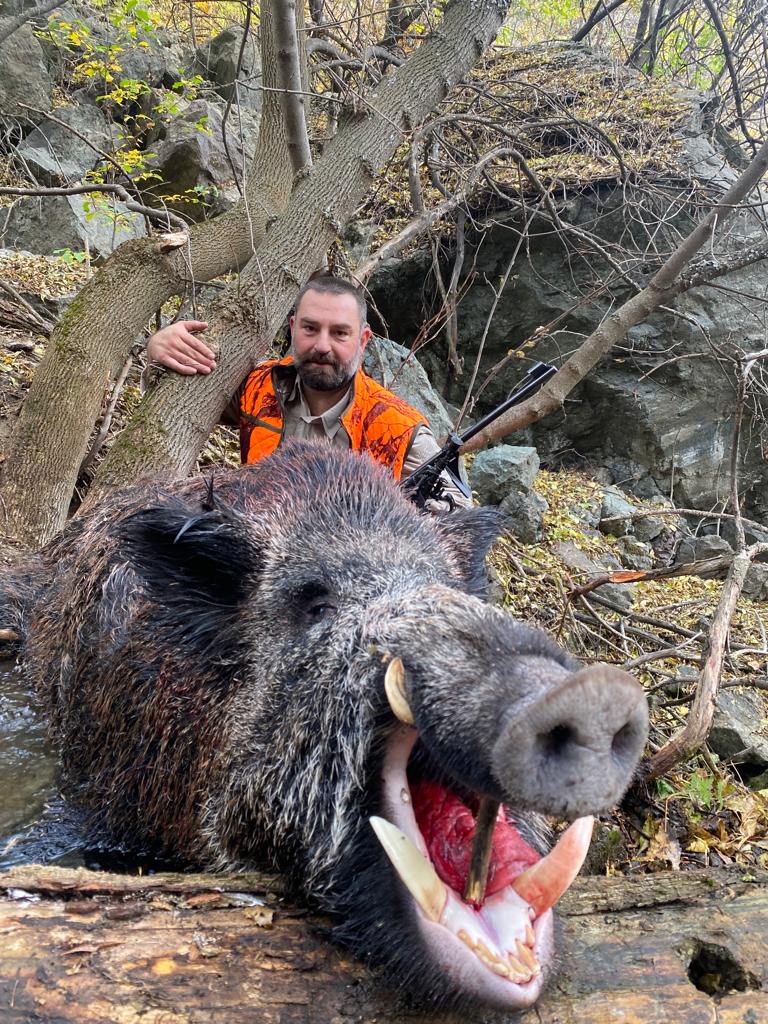
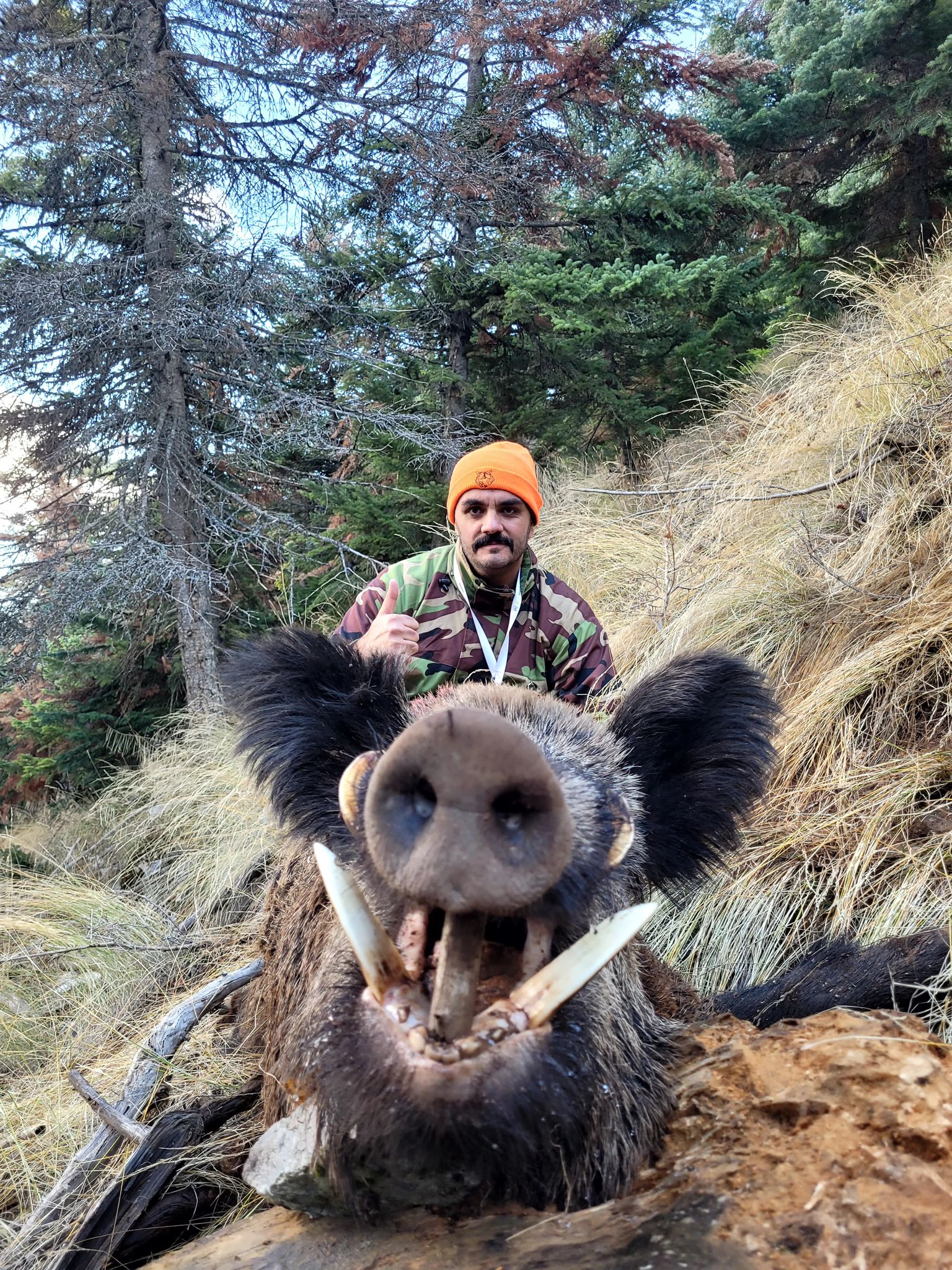
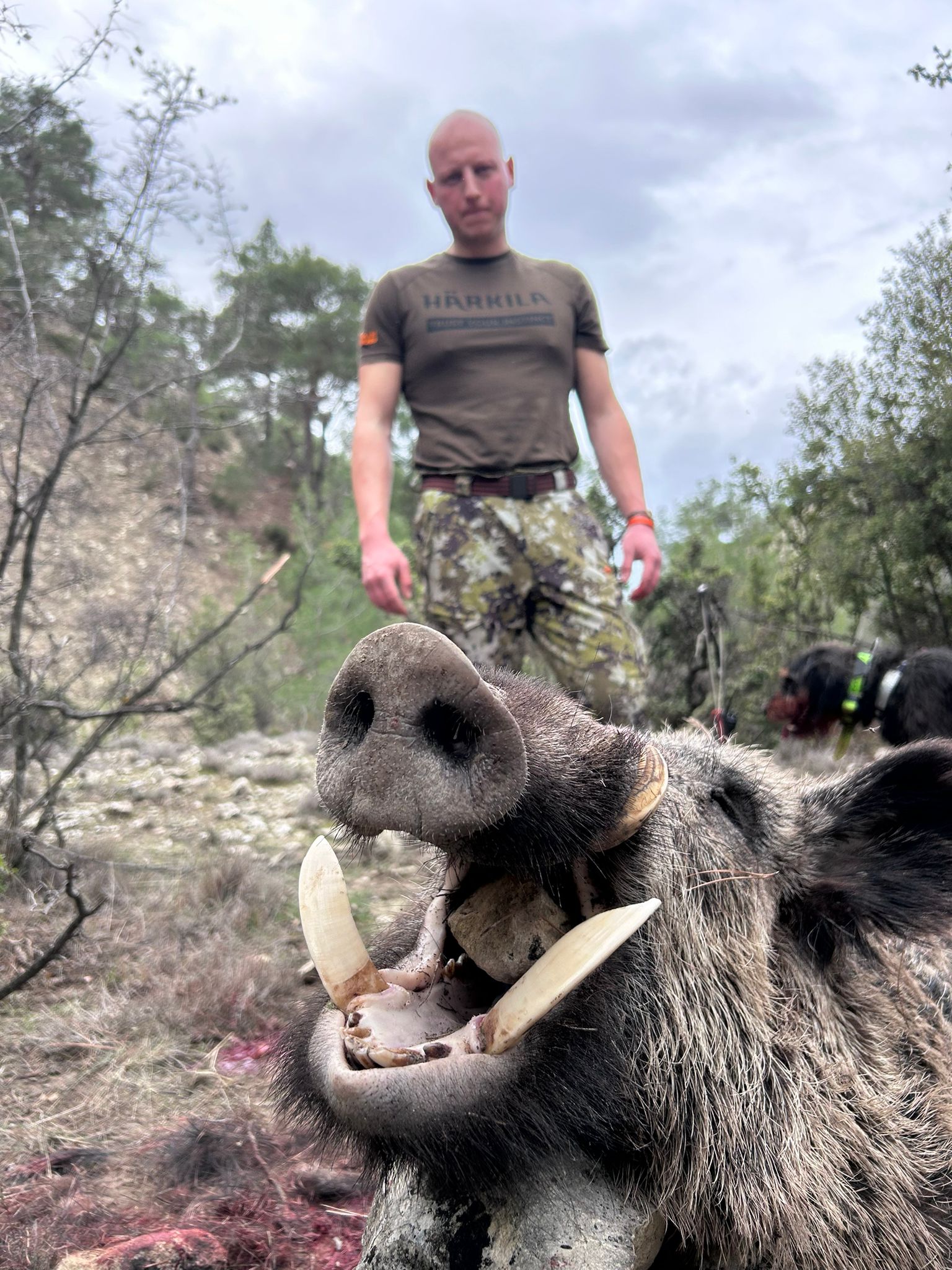
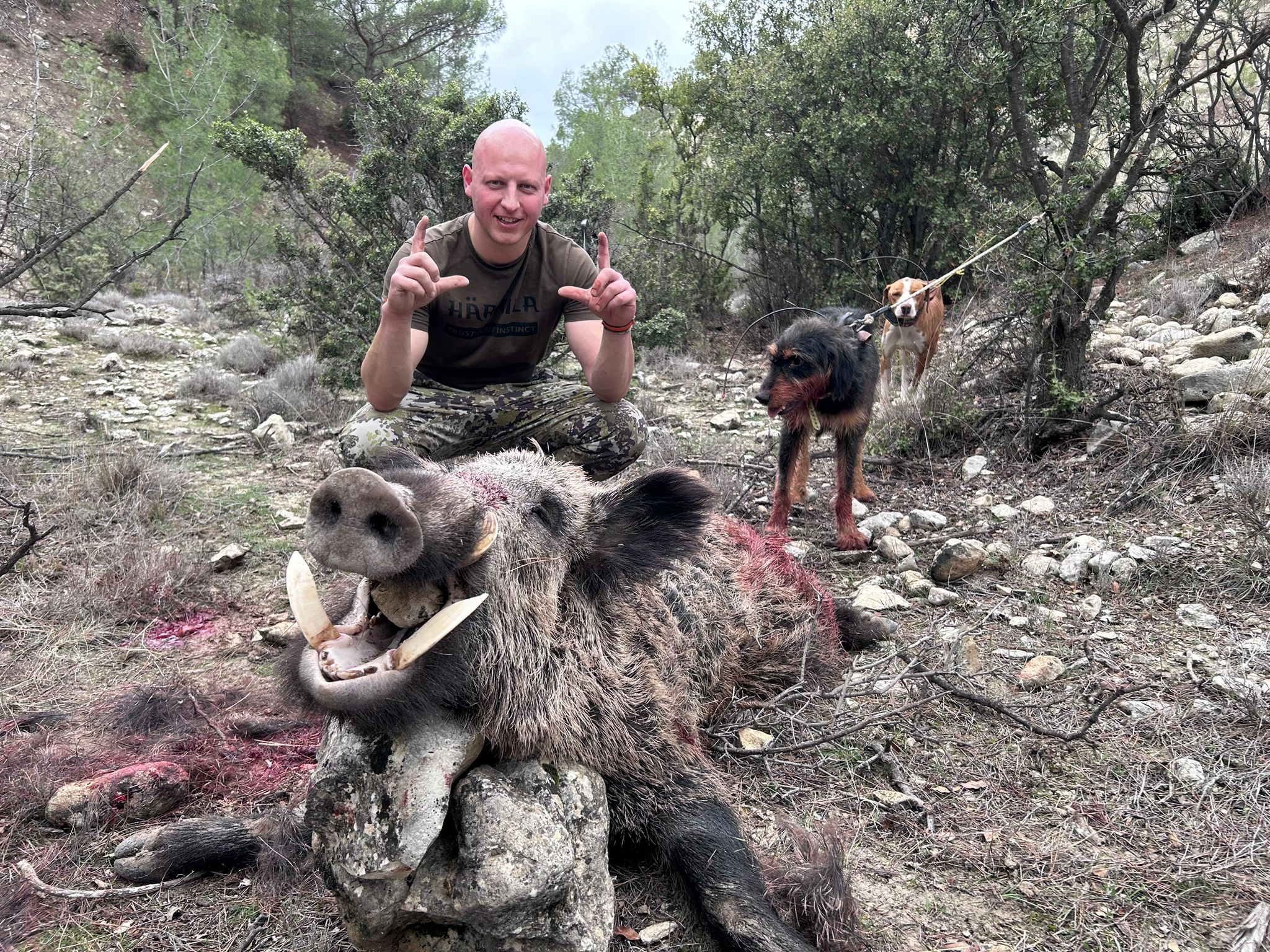
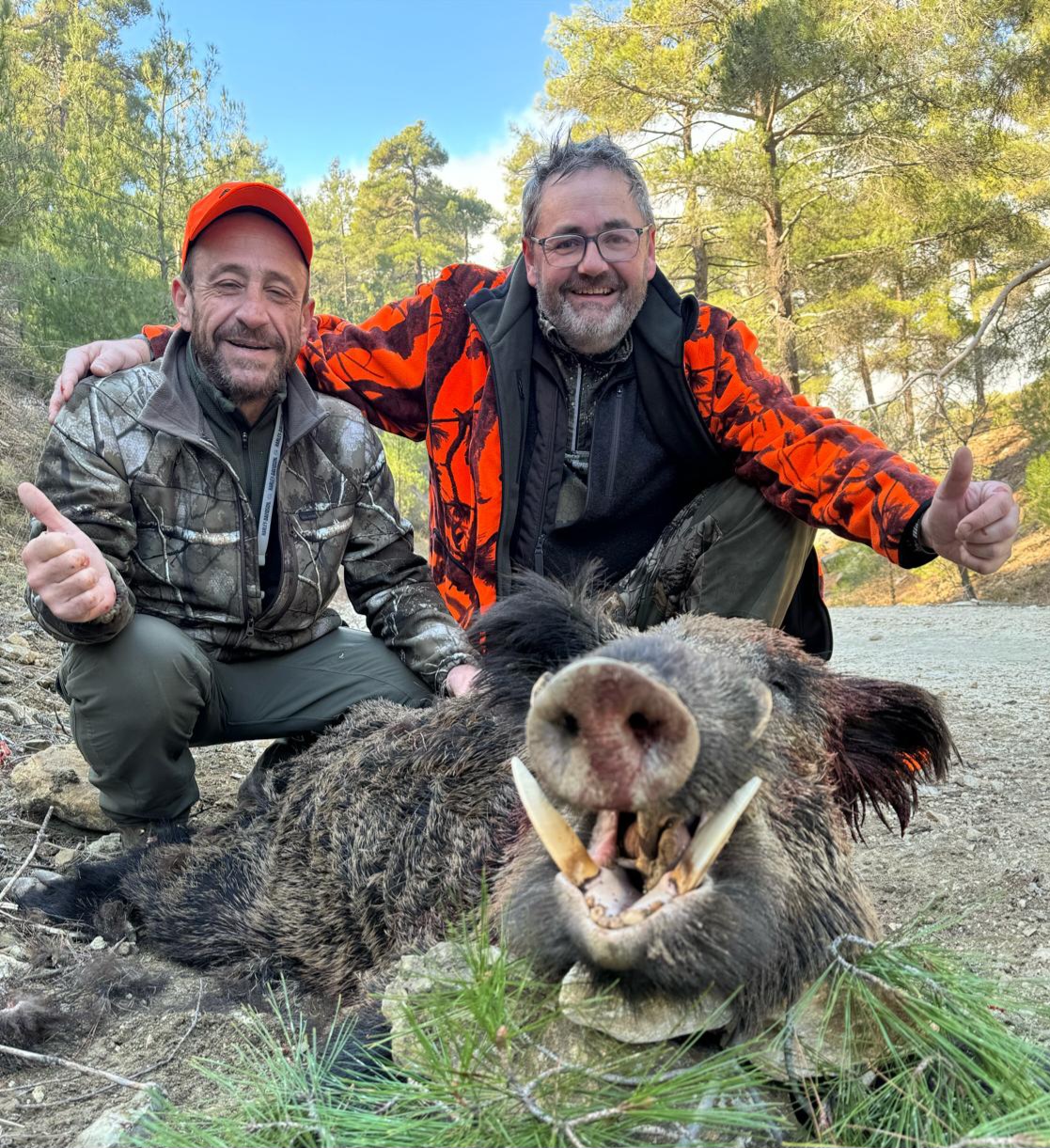
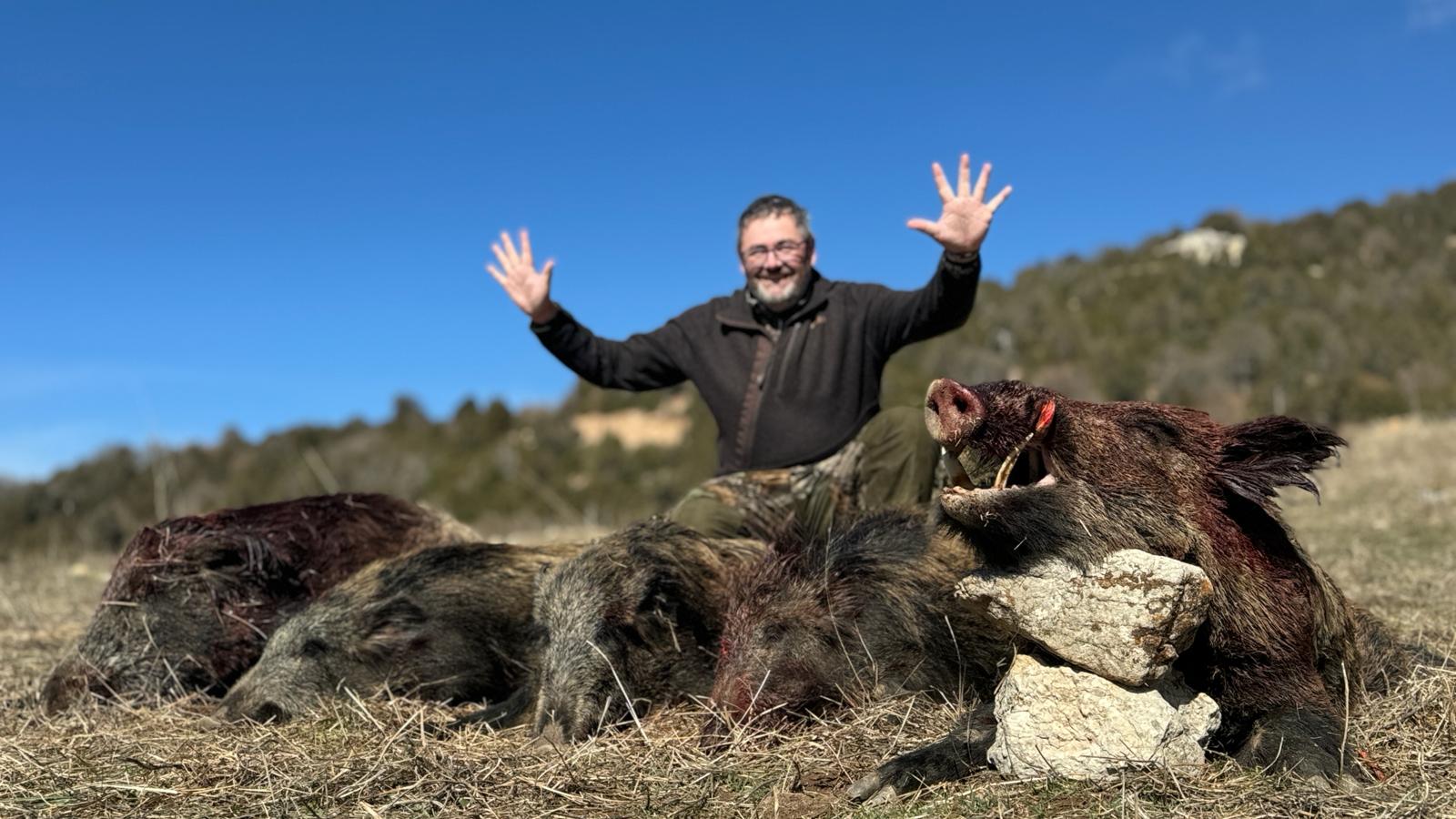
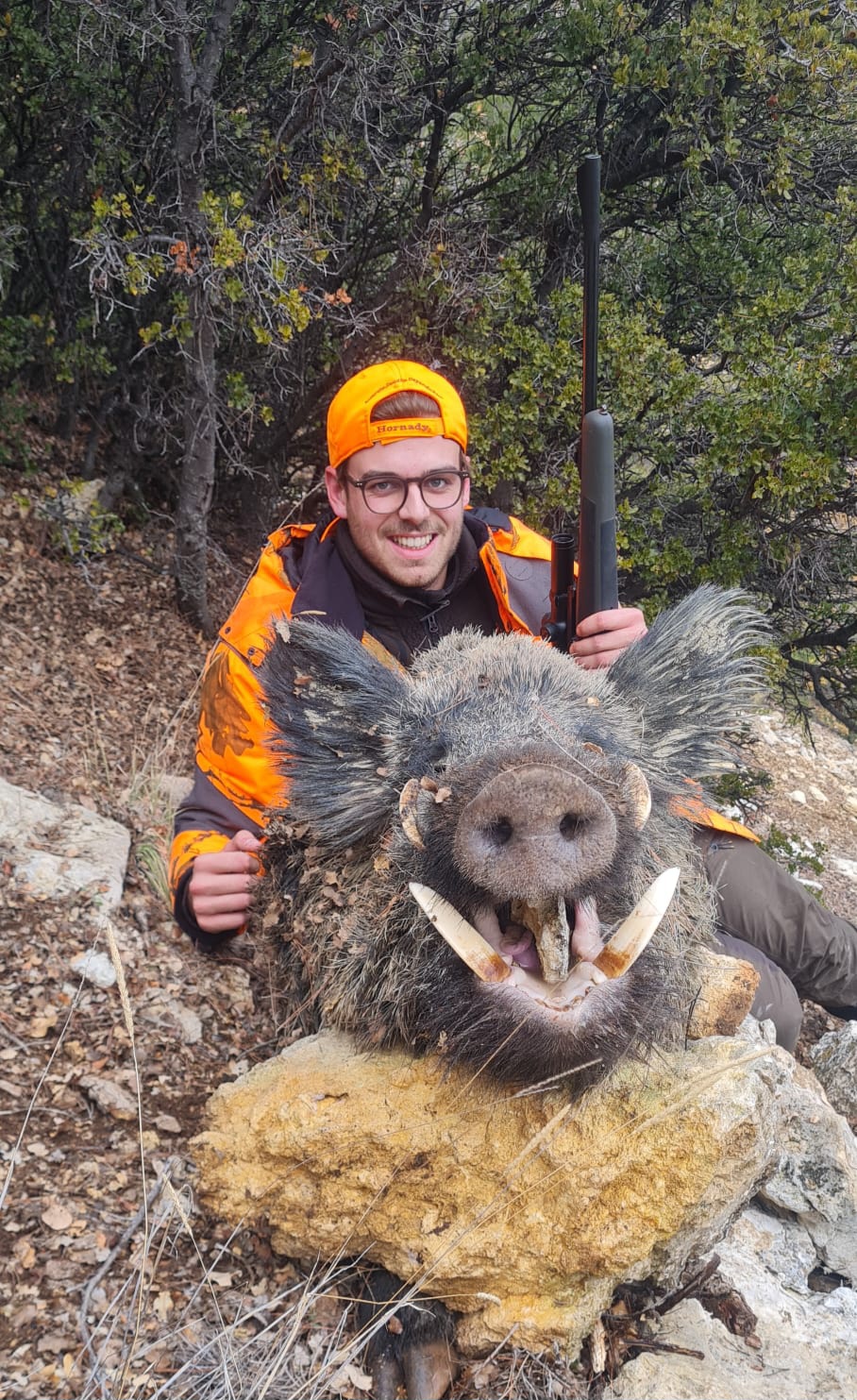
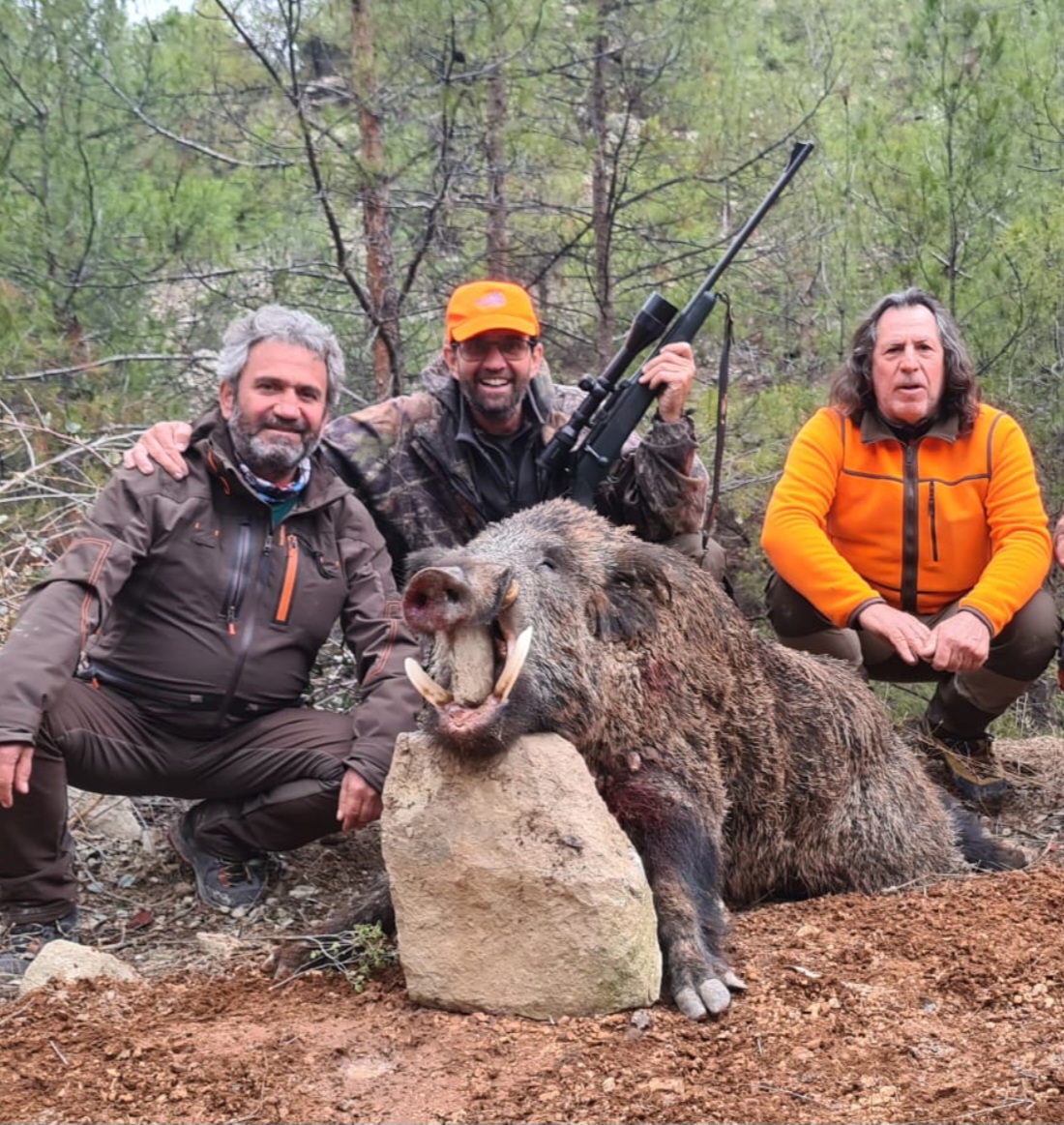
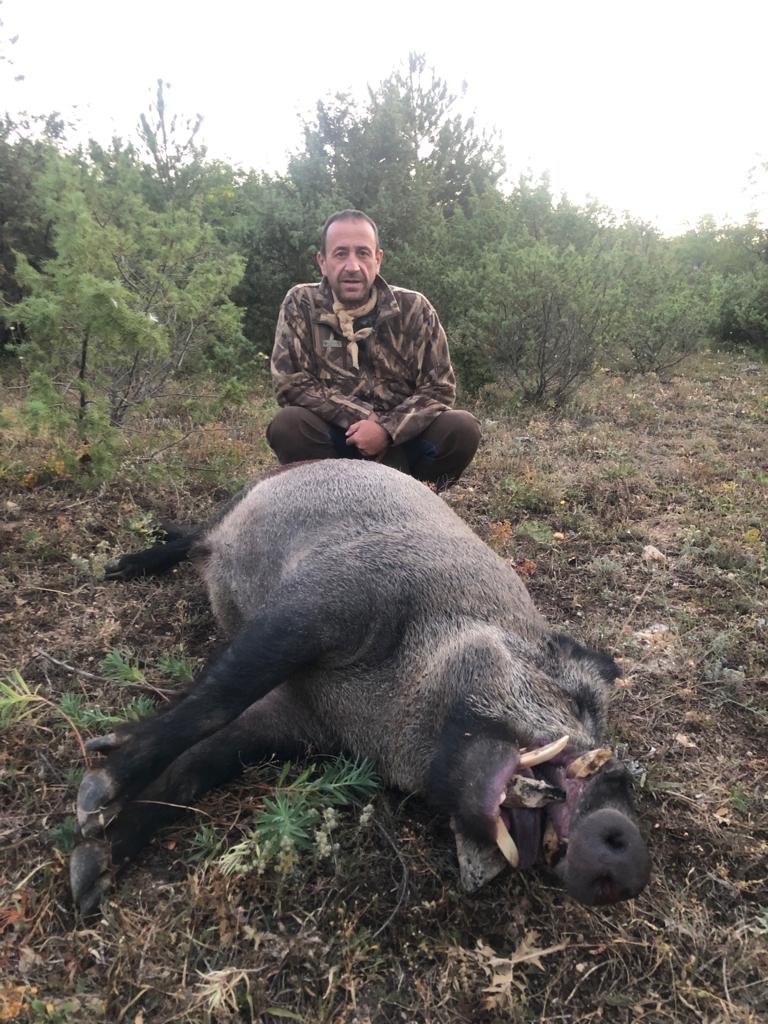
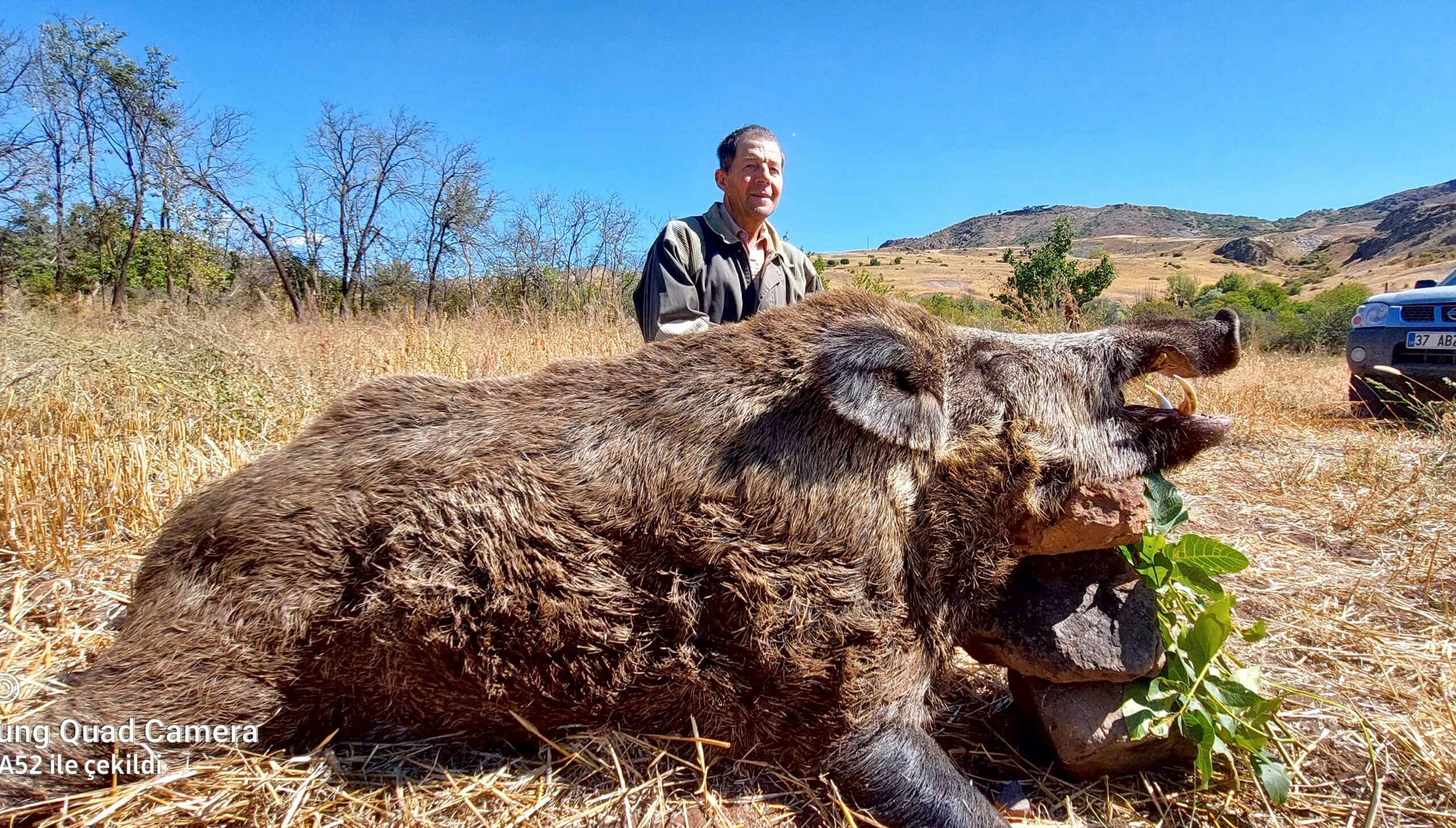
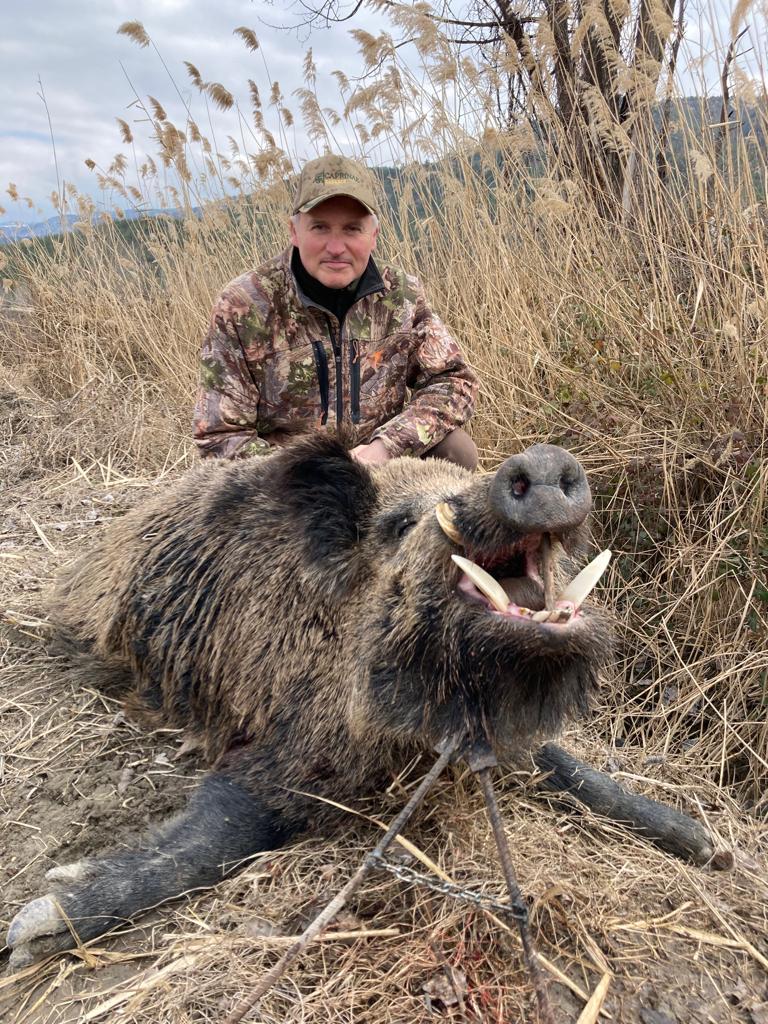
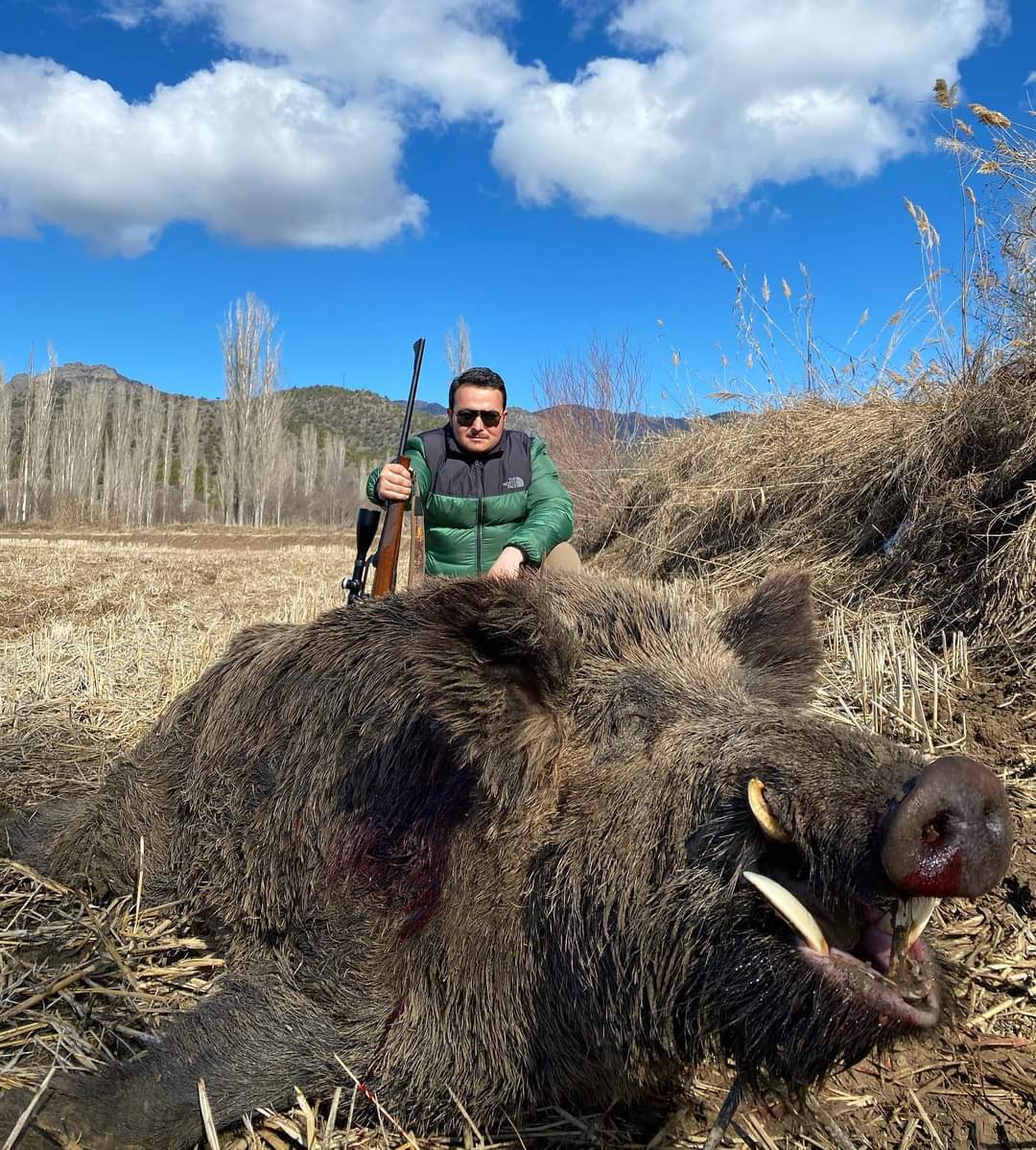
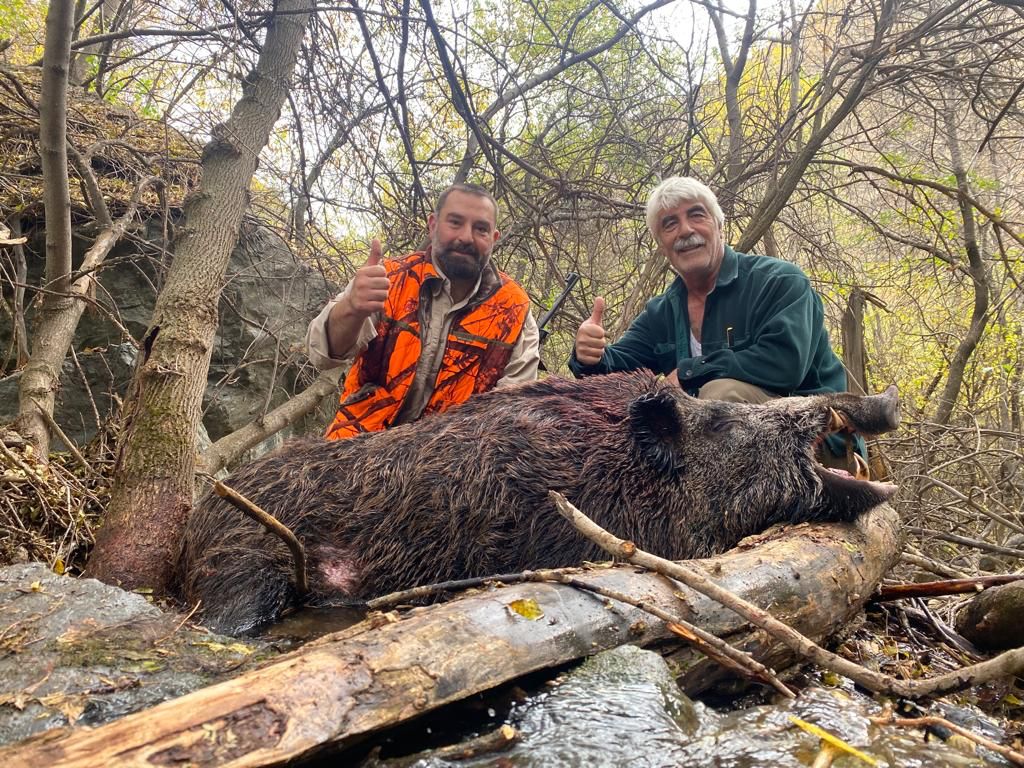
Wild Boar inhabit vast regions of Asia and Europe, but Turkey is renowned for producing some of the world’s largest specimens. With diverse landscapes and established hunting opportunities, it remains a premier destination for dedicated hunters seeking an exciting challenge and impressive trophies.
Specie / Hunt Description
Getting There: Hunters fly to Istanbul and take a connecting flight of 1-2 hours to a city closest to one of several high potential boar hunting areas.
Hunt Strategy: Spot and stalk daytime or driven hunts or nighttime stalking hunts.
Daytime driven hunts are structured, communal, fast‑moving mountain operations where boar are pushed from dense cover toward prepared shooting lanes. Beat groups enter the cover from below or behind, pushing boar toward shooters stationed along ridges, saddles, or natural funnels. They are the closest thing Turkey has to a traditional European battue, but with Anatolian terrain, Turkish hunting culture, and far more unpredictable boar behavior. Wild boar break cover explosively. They run hard, often silent, and frequently attempt lateral escapes rather than straight-line flight.
Night stalking is solitary, slow, and surgical — a precision hunt built around reading terrain, understanding boar patterns, and using darkness as both cloak and challenge. The bigger wild boar are primarily nocturnal due to human pressure. They emerge from dense cover to feed, often in predictable patterns. This method is preferred by serious boar specialists and trophy hunters.
Season: Year-round
Length of Hunt: Stalking hunts – 5 days. Driven hunts – 3 days of hunting.
Options / Major Species: Multiple options, including Konya Mouflon, Mid-Eastern Red Deer, Bezoar Ibex, Coastal Ibex, Hybrid Ibex, and Anatolian Chamois.